
Speakers
Plenary Speakers
- Kristopher McNeill — ETH Zurich
- Martha J.M. Wells — Owner/Consulting Chemist, EnviroChem Services; Emeritus Professor of Chemistry, Tennessee Technological University
Keynote Speakers
- Jorg Drewes — Technical University Munich
- Thomas Maskow — Helmholtz Centre for Environmental Research - UFZ, Leipzig
- Adele Maria Muscolo — Università degli Studi Mediterranea di Reggio Calabria
- Chris Oostenbrink — BOKU University Vienna
- Philippe Schmitt-Kopplin — Technical University Munich
- Wei Wang — Zhejiang Univ. China
Plenary Speakers:
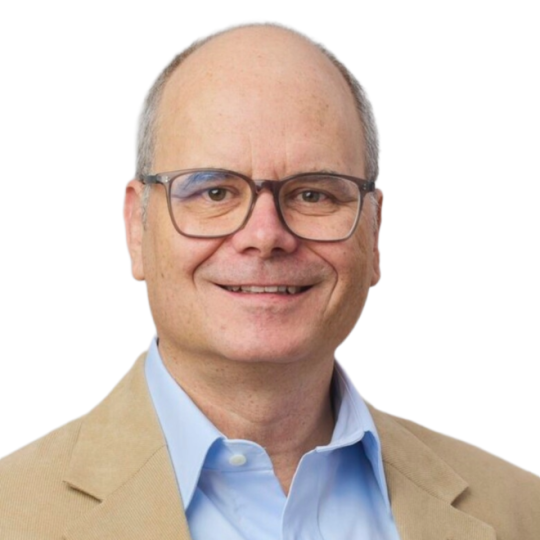
Kristopher McNeill
Title of lecture:
Organic Matter Photochemistry and the Sulfur Cycle
Short CV:
Kristopher McNeill is the Professor for Environmental Chemistry at ETH Zurich, where he and his group apply physical organic chemistry to the study of environmental processes, with a special emphasis on photochemistry. He received his B.A. in Chemistry from Reed College (Portland, Oregon) in 1992 and his Ph.D. in Chemistry from the University of California, Berkeley in 1997. At Berkeley, he was co-advised by Professors Robert Bergman and Richard Andersen. Following his PhD, he switched his research focus from organometallic chemistry to environmental chemistry. He was a postdoctoral researcher at MIT from 1997 to 1999 with Prof. Philip Gschwend in the department of Civil and Environmental Engineering. McNeill began his independent career as a faculty member at the University of Minnesota in the Department of Chemistry, holding ranks of Assistant Professor (2000-2006) and Associate Professor (2007-2009). In 2009, Kris McNeill joined the faculty of ETH Zurich.
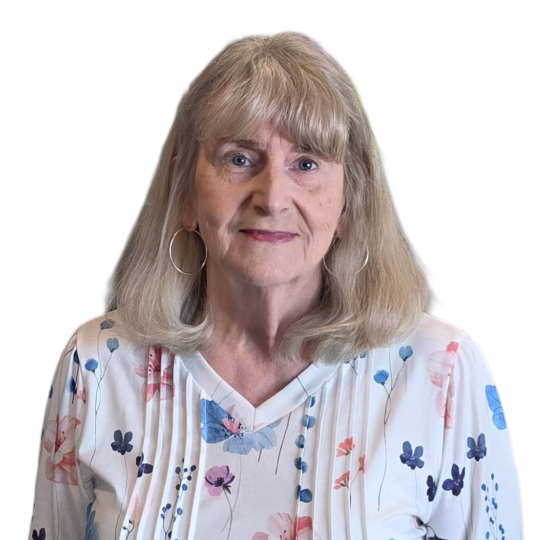
Martha J.M. Wells
Title of lecture:
Supramolecular structure of NOM and EfOM: Analytical Evidence
Short CV:
Martha J.M. Wells Ph.D. is Professor of Chemistry, Emeritus, Tennessee Technological University, USA, and sole proprietor of EnviroChem Services, a small business consulting firm. She received her B.S. degree from Eastern Kentucky University, and M.S. and Ph.D. degrees from Auburn University. From professional research, teaching, and administrative positions in government, industry, and academia, Wells gained wide-ranging experience with legacy and emerging contaminants including herbicides, pharmaceuticals, and PFAS. She conducted extensive research in analytical extractions and chromatographic, spectroscopic, and spectrometric separations for studies in freshwater, drinking water, wastewater, soil, and fishes, and studies fluorescence EEM-PARAFAC monitoring organic matter in water reuse. Relevant to this presentation, she discusses her research on the supramolecular structure and dynamic aggregation of aquatic NOM and EfOM. She is a member of IHSS and IWA. Wells was inducted into the 2017 class of American Chemical Society (ACS) Fellows, and this year celebrates 50 years of ACS membership.
Keynote Speakers:
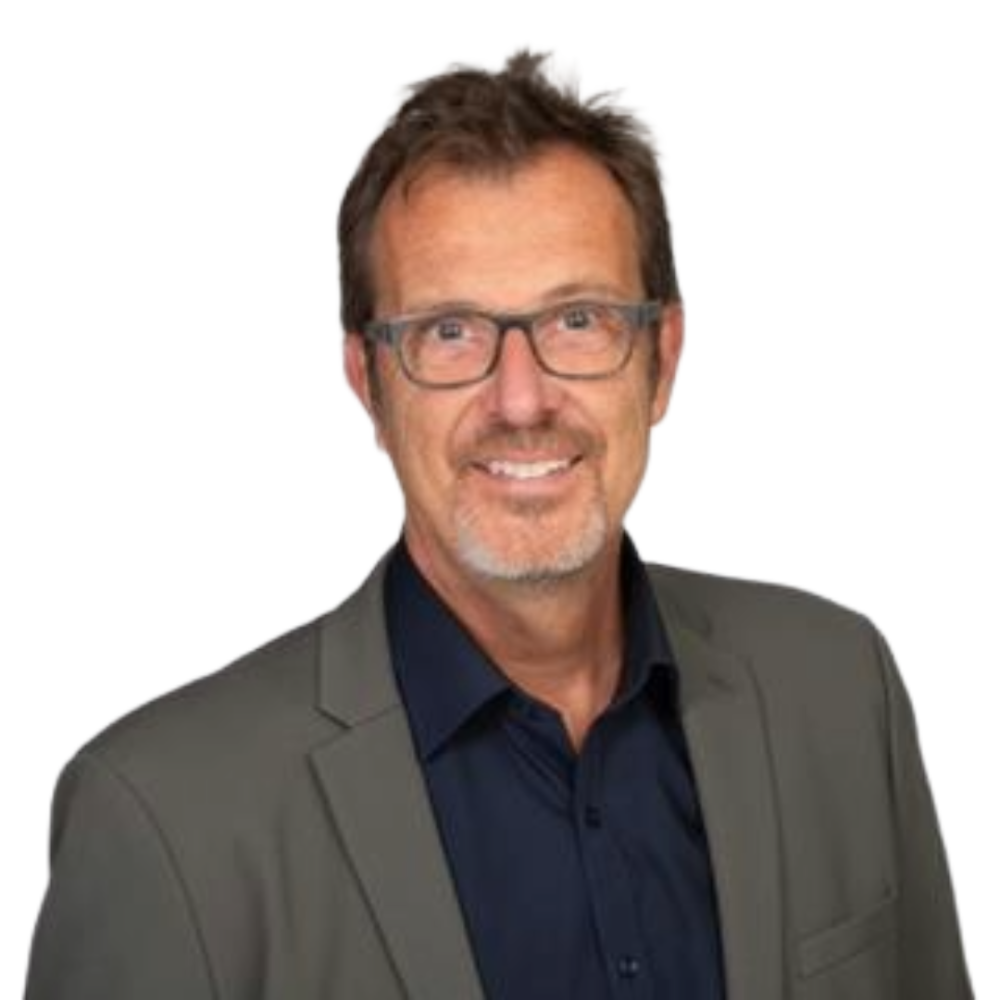
Jörg E. Drewes
Title of lecture:
NOM Removal during Advanced Water Treatment and Water Reuse
Short CV:
Jörg E. Drewes is Chair Professor of Urban Water Systems Engineering at the Technical University of Munich (TUM), Germany. Before joining TUM in 2013, he served as Full Professor of Civil and Environmental Engineering at the Colorado School of Mines (CSM).
Professor Drewes’ research and scholarly activities are in the field of energy-efficient advanced water and wastewater treatment, water reuse and risk management in the context of public health protection. In particular, he is interested in the integrated management of local and regional water cycles and the development of new treatment concepts that combine natural and engineering approaches; decentralized and centralized water reuse; support for drinking water supplies; and comprehensive assessment approaches for organic trace substances (pharmaceuticals, household chemicals, per- and polyfluorinated alkyl substances) and pathogens as well as antibiotic resistance to ensure safe water quality. Prof. Drewes has published more than 380 scientific peer-reviewed articles (h-index 72, Scopus).
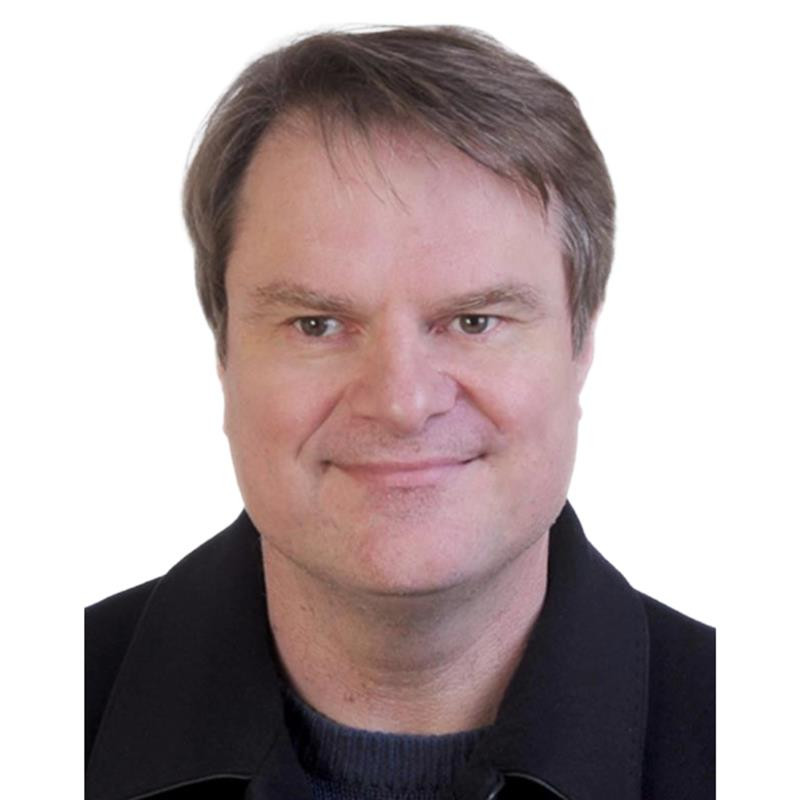
Thomas Maskow
Title of lecture:
Thermodynamic and Calorimetric Quantification of Soil Organic Matter Turnover
Short CV:
Prof. Thomas Maskow studied theoretical and physical chemistry and received his PhD from Martin Luther University Halle-Wittenberg, Halle (Saale), Germany, with research on phase equilibria in complex hydrocarbon mixtures such as crude oil and petroleum fractions. He completed his habilitation in biothermodynamics at Technical University Dresden, Germany.
For more than two decades, he has led the research group “Ecothermodynamics/Biocalorimetry” at the Helmholtz Centre for Environmental Research (UFZ) in Leipzig, Germany. He has authored over 110 peer-reviewed publications, as well as several books and book chapters.
In addition to his research, he teaches “Bioreaction Technology” at Duale Hochschule Sachsen and “Molecular Biotechnology” at Leipzig University. His current work focuses on thermokinetic modeling and calorimetric monitoring of biological processes, including the bioconversion of microplastics, photosynthetic performance of cyanobacteria, and soil organic matter turnover within the DFG Priority Program “SoilSystems.”
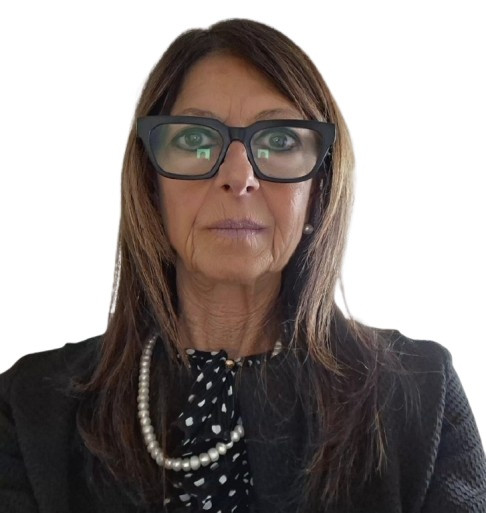
Adele Maria Muscolo
Title of lecture:
Humic Substances as Drivers of Carbon Footprint Reduction: Linking Environmental Remediation, Soil Health and Sustainable Agriculture
Short CV:
Graduated in Biological Sciences, completed her PhD in Food Science at Naples University, Italy. In 1988 she started her professional carrier as researcher at “Mediterranea” University of Reggio Calabria where she is still working as Full Professor in soil chemistry and ecology. Since 1990 she is reviewer for International Scientific Journals. Since 2008 she is evaluator of projects for EC, International Funding Research Agencies and Italian and Foreign Research Ministries. She is examiner of PhD dissertation. She has over 200 papers in international journals with IF, Citations 7,661; H index: 47. She is editorial board member of many International Journals. She is Associate Editor for JFR and Forests. She is part of the list “World’s Top 2% of scientist of their main subfield discipline, for 2020, 2021, 2022, 2023, 2024 and 2025 (Ioannidis JPA, Boyack KW, Baas J; 2020 Updated science-wide author databases of standardized citation indicators. PLoS Biol 18(10): e3000918. https://doi.org/10.1371/journal.pbio.3000918). She is appointed as expert member of ITPS by FAO for the period 2022/2025, She is member of technical committee of Global Soil Laboratory Network (FAO), and of Steering Committee for the International Network of Soil Fertilizer (FAO).
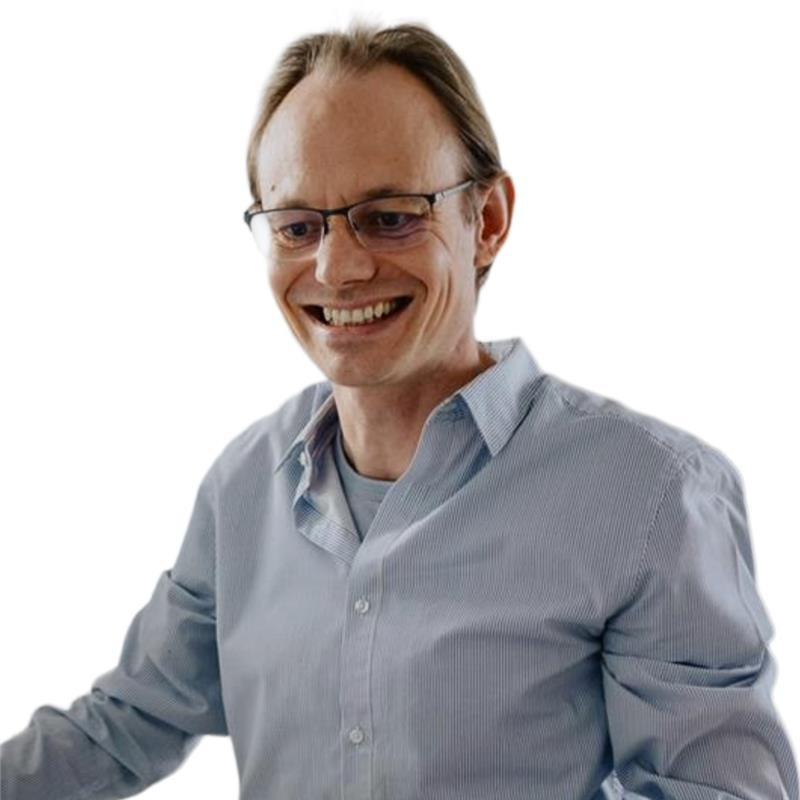
Chris Oostenbrink
Title of lecture:
Molecular Modeling and Simulation of Soil Components
Short CV:
Chris Oostenbrink is professor for Biomolecular Modeling and Simulation at BOKU University in Vienna. He received a MSc in Chemistry and a MSc in Pharmaceutical Sciences from VU University in Amsterdam, and PhD from the Swiss Federal Institute of Technology (ETH) in Zurich. After an assistant professorship at VU University, he moved to Vienna in 2009 to establish the Institute of Molecular Modeling and Simulation. His research focuses on the use of molecular simulations to understand molecular systems, ranging from soil components to biological macromolecules. His involves the accurate description of molecular interactions and the development of methods for free-energy calculations. He has published over 250 papers in the field of molecular simulations.
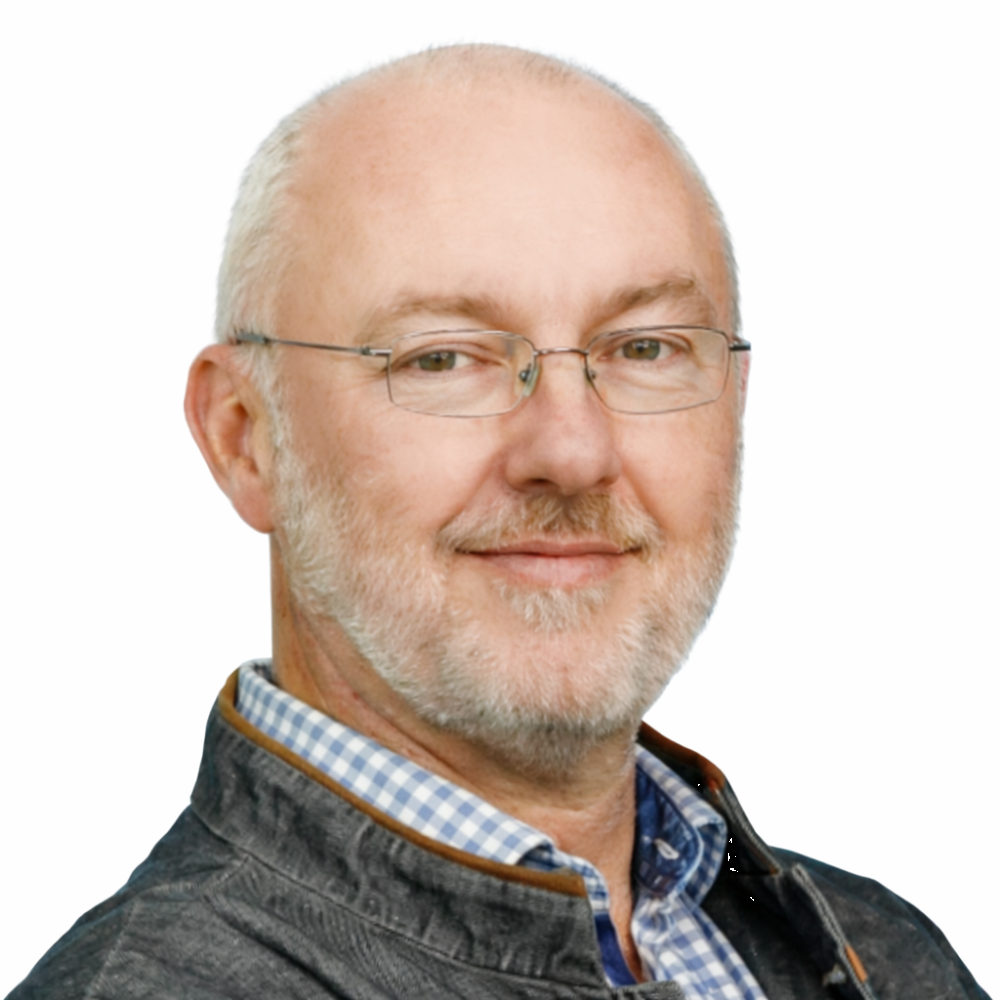
Philippe Schmitt-Kopplin
Title of lecture:
Organic Chemical Diversity Beyond Earth: From Metabolomes to Meteorites and Asteroids
Short CV:
Prof. Ph. Schmitt-Kopplin performs tailored and comprehensive chemical profiling and metabolomics in the food-health continuum. He has a strong profile in analytical chemistry with a background in ecological and environmental chemistry. His interests are in integrating analytical approaches for complex molecular mixtures, combining (ultra)high resolution mass spectrometry, (µ)separation sciences, NMR-spectroscopy with chemometrics and (bio)informatics for the description of complex organic systems on a molecular level. A focus in the last decades was to implement ultrahigh resolution mass spectrometry into cross-Omics applications and for a rapid and robust tool for deep metabotyping and small molecules profiling in the fields of environment, food and health. His interdisciplinary studies are related to the interface of chemistry and biology. He is director of the research unit analytical BioGeoChemistry of the Helmholtz Munich and heads the Comprehensive Foodomics Platform at the Institute of analytical Food Chemistry of the Technische University Munich Germany. His interest in biotic and abiotic chemical processes lead him in addition closer to the community of Molecular Evolution in Prebiotic Environments and he is involved in various sample return missions in the analytical teams or organic profiling with NASA and JAXA.
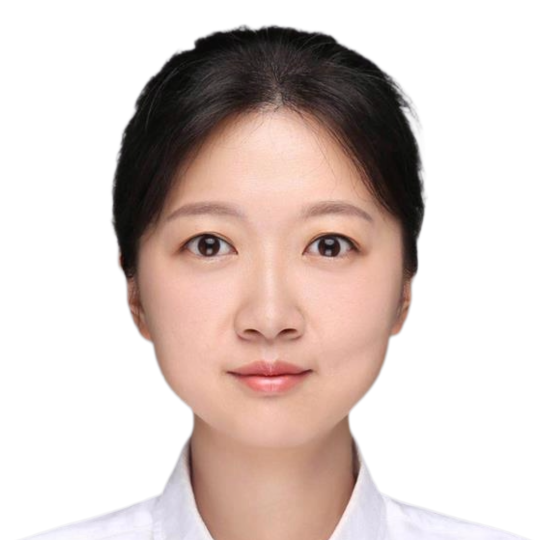
Wei Wang
Title of lecture:
Deciphering the Molecular Composition of Biological NOM and Its Transformation During Disinfection Using a Novel MS-Based Approach
Short CV:
Dr. Wei Wang is a Hundred Talents Professor at the College of Environment and Resources of Zhejiang University, China. She received her Ph.D. degree from University of Alberta, and sequentially carried out postdoctoral research at the National Exposure Research Laboratory of the U.S. Environmental Protection Agency. Her current research mainly focuses on the analytical characterization of natural organic matter, disinfectants, disinfection byproducts, antimicrobials, and antimicrobial resistance genes, and their transformation, mutagenic and resistant mechanisms. She has published more than 60 articles on the high-tier journals such as Natural Water, ES&T and Water Research as the leading authors. She serves as a committee member for six subcommittees of the China Association for Instrumental Analysis, the Chinese Environmental Mutagen Society, and the Chinese Society for Environmental Sciences. She also serves on the editorial board of the Microchemical Journal, Environment & Health, Chinese Journal of Chemistry, and Environmental Chemistry.